
The Resilience Enhancement of Disaster Prevention of the Settlements around Gongguan District of Southern Taipei upon the Community Revitalization Activation
Various settlements in Gongguan district of southern Taipei - Bring new vitality into the old communities.
Visiting the Gongguan district near by National Taiwan University of Science and Technology (NTUST), you can always find the crowds of general commuters and students from several nearby universities in front of the MRT station. Gongguan of southern Taipei is a district where has glorious traditional art and culture, many historical cultural landscapes and unique historical buildings. Standing on the streets of southern Taipei at the busy hub of communications, we tried to pull the timeline back to the Gonguan after Taiwan retrocession. Because of the military installations, various urban settlement cultures such as Toad Mountain Settlement, Treasure Hill Settlement, Jiahe New Village and Huanmin New Village have gradually formed in the Gongguan district. ABMAC Village, which was once a military village for the staff dormitory of the old National Defense Medical Center, is located in the lanes of Tingzhou Road. Walking by the quiet entrance of the community, due to the particularity of the military village, it is not allowed for the general public to have even a glimpse of it, or to stop by the village. ABMAC Village witnessed the military and medical development of Taiwan aided by the United States in the early postwar period, and its overall appearance is now well preserved. The houses in the Village are in the form of a medical community housing complex consisting of the two-story red brick buildings with a patio and constructed by hollow bricks for the purpose of ventilation, ambient light and indoor-outdoor connection, which is rich in practical use and interests of architectural physics. Although the houses in the village are old, the community is still alive. NTUST’s “Community Revitalization Activation and Resilience Enhancement – A Case Study of Gongguan district of Southern Taipei” project was intended to deeply explore several communities in the vicinity of the NTUST campus upon the perspective of disaster prevention to uncover the mystery of military villages, and even invite the residents inside and outside the community to take action together for the disaster prevention.
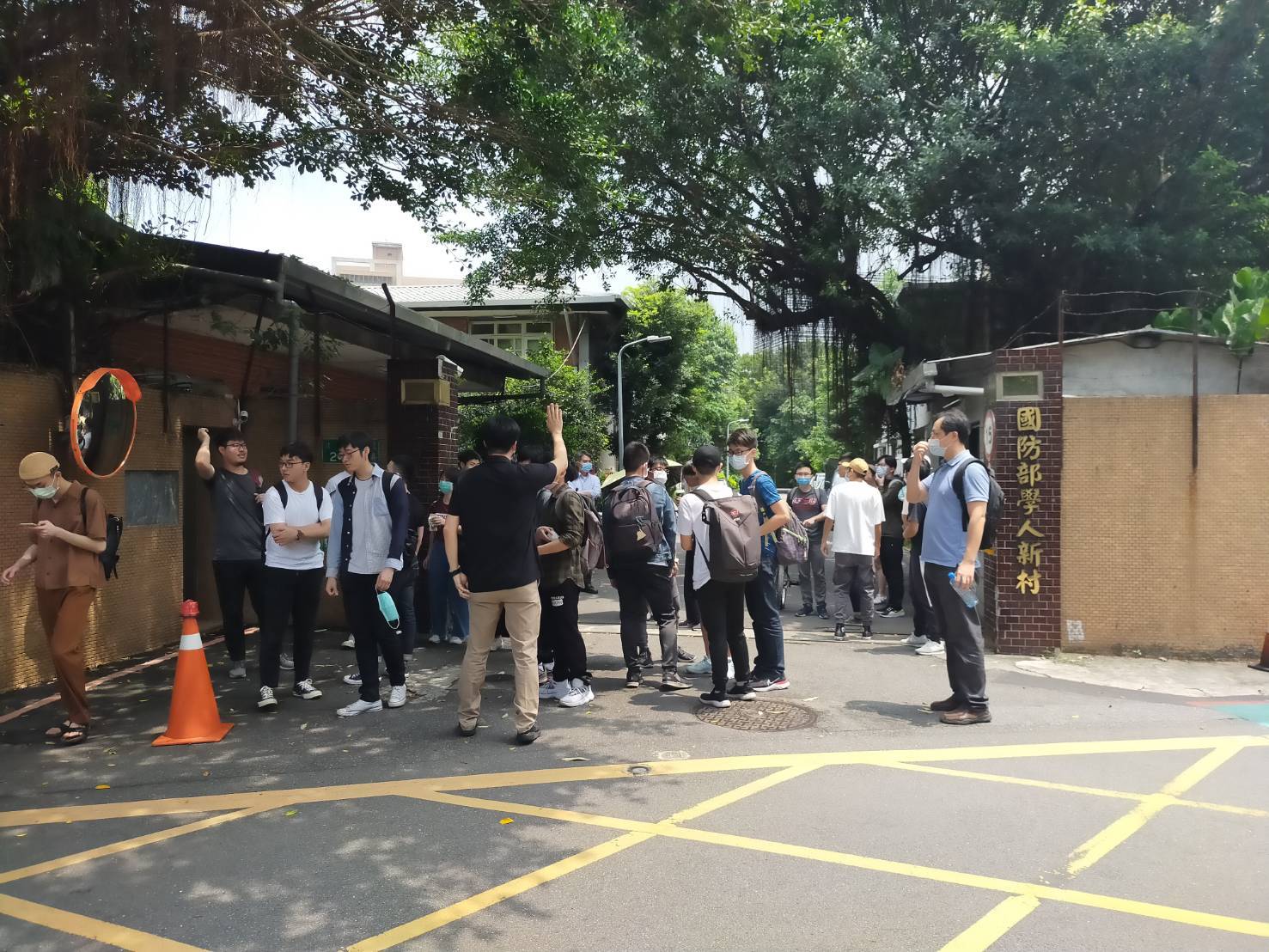 |
| A visit to ABMAC Village in Fushui-Vil. via National Taiwan University of Science and Technology’s USR project. |
Extend the origination and the faith to build sustainable and resilient communities
The early urban development in Taiwan lacked overall environmental planning, and thus the societies were unable to respond in time as facing natural disasters and public safety problems. NTUST’s USR project was carried out based on the disaster prevention and relief along with the preservation and recovery of historical and cultural resources to promote the residential integration among communities around Gongguan district of southern Taipei, and to intensify the connections among residents, and eventually to arouse the attention of the communities to disaster prevention. It is to have Gongguan district become a sustainable and resilient urban settlement-type cultural city. Professor Chien-Kuo Chiu, the principal investigator (PI), said: “The origination of this project was mainly inspired by a previous USR project earlier when the project object was ABMAC Village. Through the mentioned project, we got an in-depth understanding that the entire Gongguan district contains profound cultural connotation, especially in its relevance to the culture of the military village of the Ministry of Defense in the early days.
With the results of the previous research in ABMAC Village in Fushui-Vil., our team of NTUST’s USR project led by Professor Chien-Kuo Chiu has extended its object region of the community disaster prevention system from Fushui-Vil. to the surrounding regions including Shuiyuan-Vil. and Xuefu-Vil.. By working together with the local residents and village office, we are aiming to obtain an in-depth understanding of the current status of the community environment and disaster crisis via the approaches of environmental diagnosis. Through holding seminars, environmental surveys, disaster prevention promotion courses, designing evacuation map and community scaled models, etc., we have conveyed the concept of community disaster prevention to local residents to raise their awareness of disaster prevention. In order to effectively spread the knowledge of disaster prevention to every single local residents, Professor Meng-Han Tsai has led students to build a smart dialogue robot system regarding the disaster prevention thought innovative intelligent technology to provide local residents to obtain the diverse disaster prevention information such as weather information, emergency facilities, historical disasters, background of cultural and historical buildings.
Last year, our team has completed environmental surveys and diagnoses of Fushui-Vil. and Shuiyuan-Vil., and with the support of the village chiefs, we have conducted a number of disaster prevention relevant courses. People participating in the courses are all willing and looking forward to continuously joining the courses in the future.
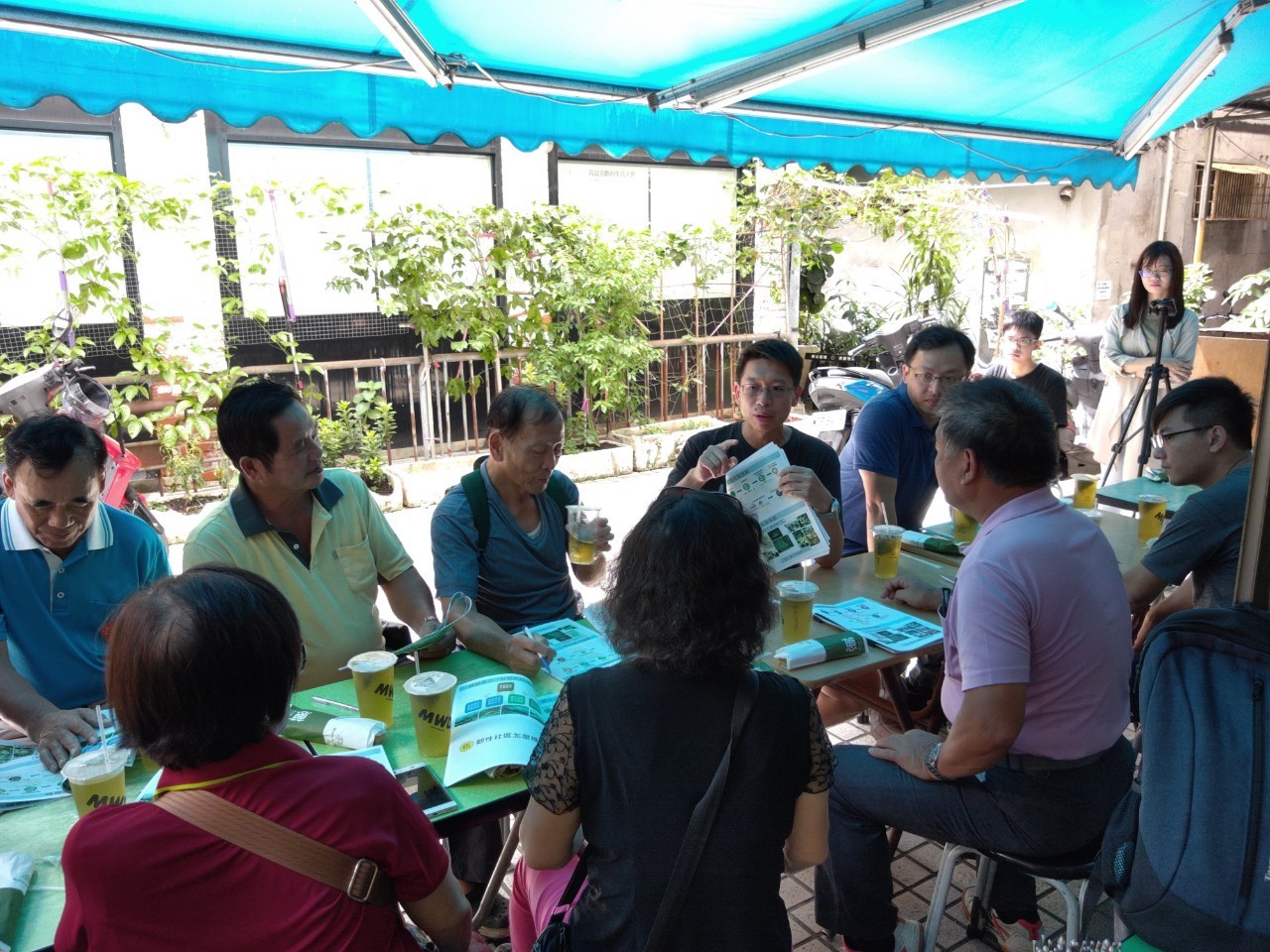 |
| A consensus meeting convened between NTUST’s USR project and local residents in Shuiyuan-Vil. |
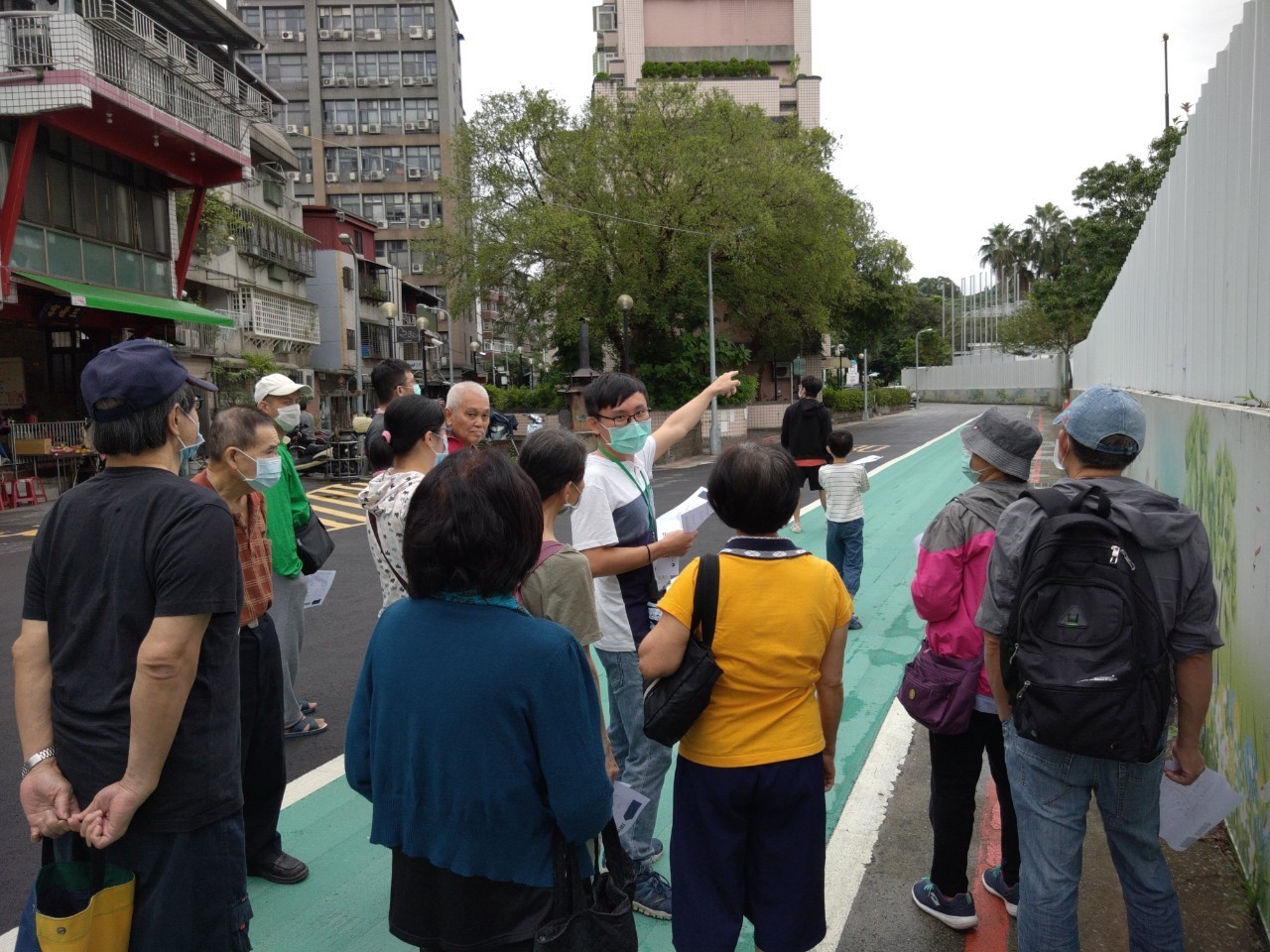 |
| NTUST’s USR project conducted a community environmental survey together with local residents in Shuiyuan-Vil. |
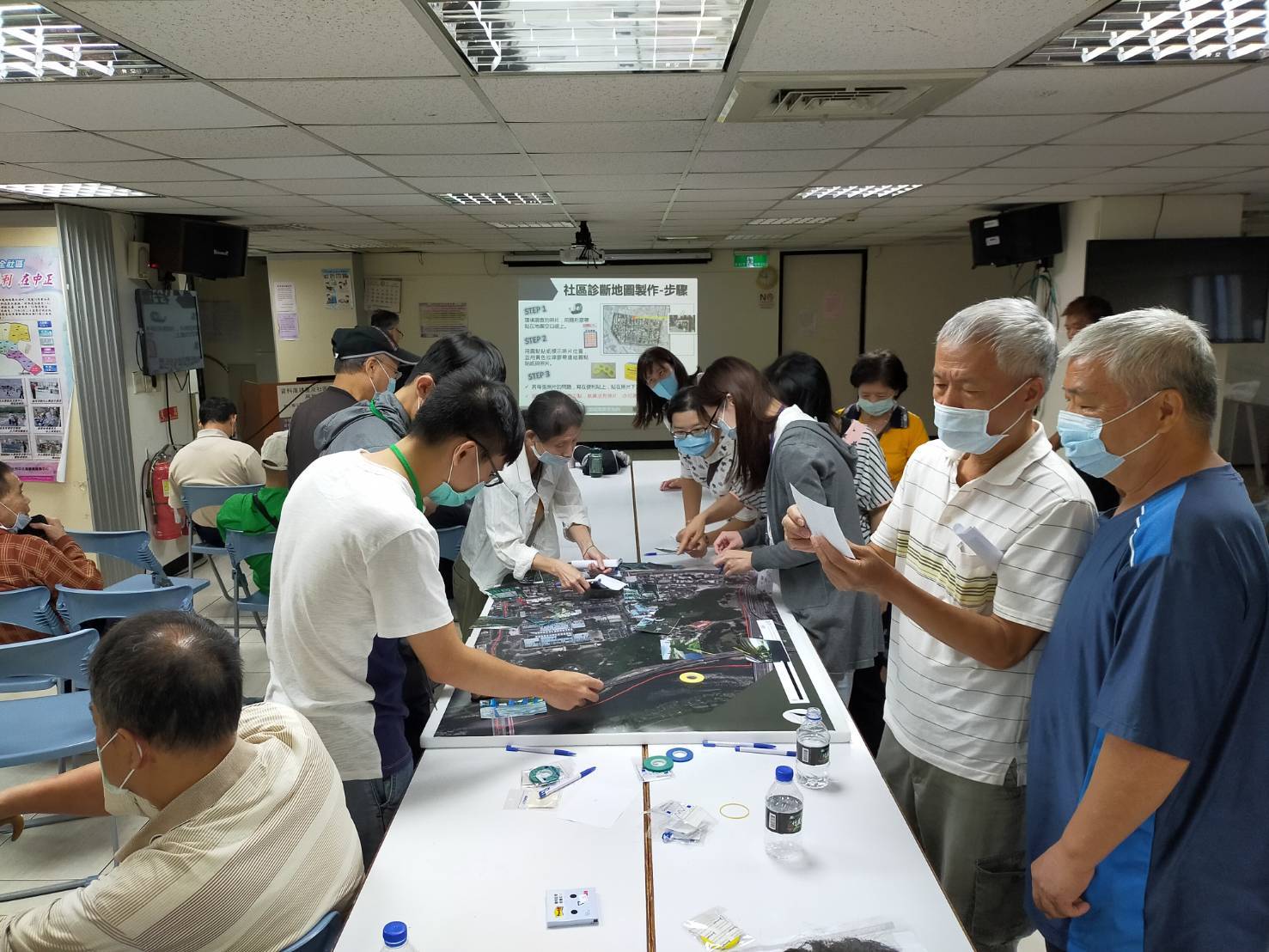 |
| NTUST’s USR project workers guided local residents in Shuiyuan-Vil. in making environmental diagnosis maps in the disaster prevention courses. |
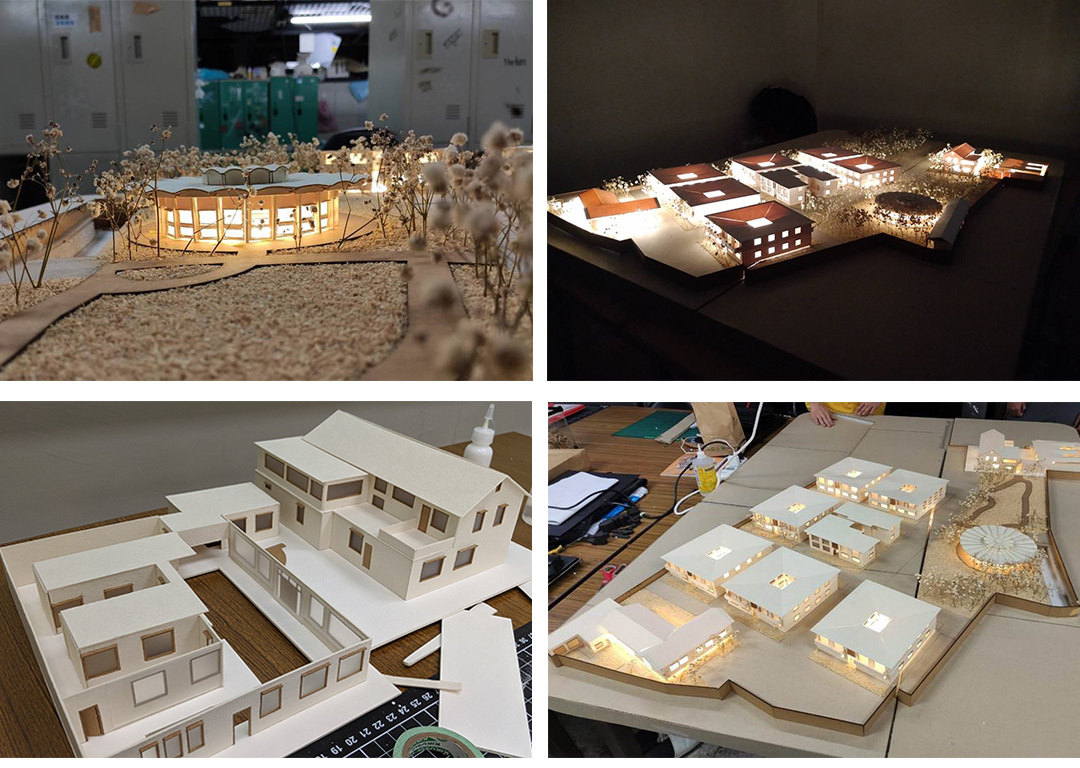 |
| Through the community scaled model made by students, local residents will have an in-depth understanding of their living environment, beneficial to the promotion of disaster prevention education. |
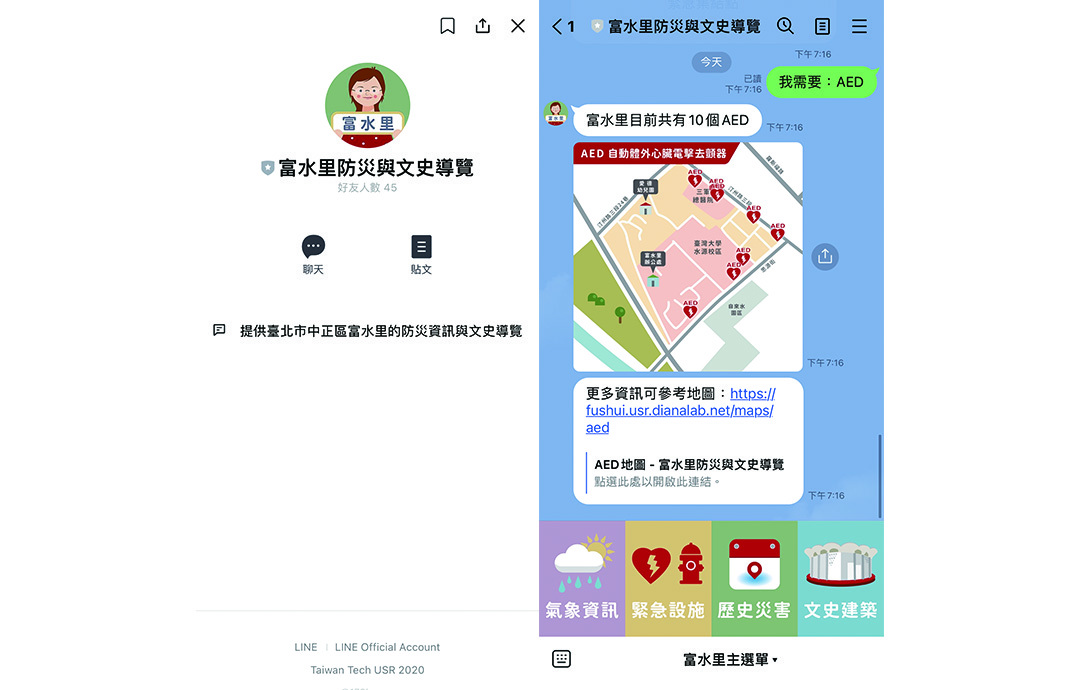 |
| The smart dialogue robot system built by our team for the communities adopts a visual design to provide local residents with prompt and diverse disaster prevention information. |
Historical buildings after the revitalization activation have exhibited their new life and features, and also evoked their old-time memories
In order to have the neighborhoods of the communities to approve of the settlement culture and with the historical and cultural characteristics of the Gongguan district, our team tried to promote the resilient community along with the revitalization activation of the historical and cultural resources .
“Anzhai No. 3” was a guest club for foreign guests in the early days of ABMAC Village, and it was also the first historical building that our team launched into the promotion of the revitalization activation. Professor Meng-Ting Tsai said, “the structure of Anzhai No. 3 is a reinforced brick structural system with beautiful timber roof trusses, featured by the introduction of American design concepts and methods with the integration of oriental cultural elements. The whole building is very distinctive. By reusing and remodeling the Anzhai No. 3 to be a friendly public space, our team expected that the renewal Anzhai No. 3 would induce people to stay around. It not only helps and ensures the building to be sustainably preserved, but also the historical memories to be kept, and at the same time, we will introduce disaster prevention education into the space in the goal of strengthening people’s awareness of disaster prevention. As facing the Anzhai No. 3 building invaded by old trees and termites, NTUST’s USR project team used its architectural design expertise to assist the Ministry of National Defense in building evaluations and provide emergency repair suggestions, so that the structural safety issue of Anzhai No. 3 building was gradually eliminated, and the building is now still standing safe and sound.”
In December last year, our team organized an exhibition of achievements of the project in ABMAC Village. The revitalized Anzhai No. 3 historic building was chosen to be the venue. Local residents of the military village, units under the jurisdiction of the Ministry of National Defense and village chiefs of the Zhongzheng District were all invited to join the event for recalling the past historical and cultural events of the Gongguan district, and discussing about how to maintain active interaction among the community and the neighborhoods to work together for disaster prevention. As we saw the children from ABMAC Village to intently listen to the explanation of the elder brothers from NTUST about the history of ABMAC Village, and then looked up at the timber roof trusses above the exhibition space, we joyfully realize that the promotion of disaster prevention is moving forward. It is confirmed that in the future, our team will work together with local residents to mutually develop the strategy for the space reuse of Anzhai No. 3.
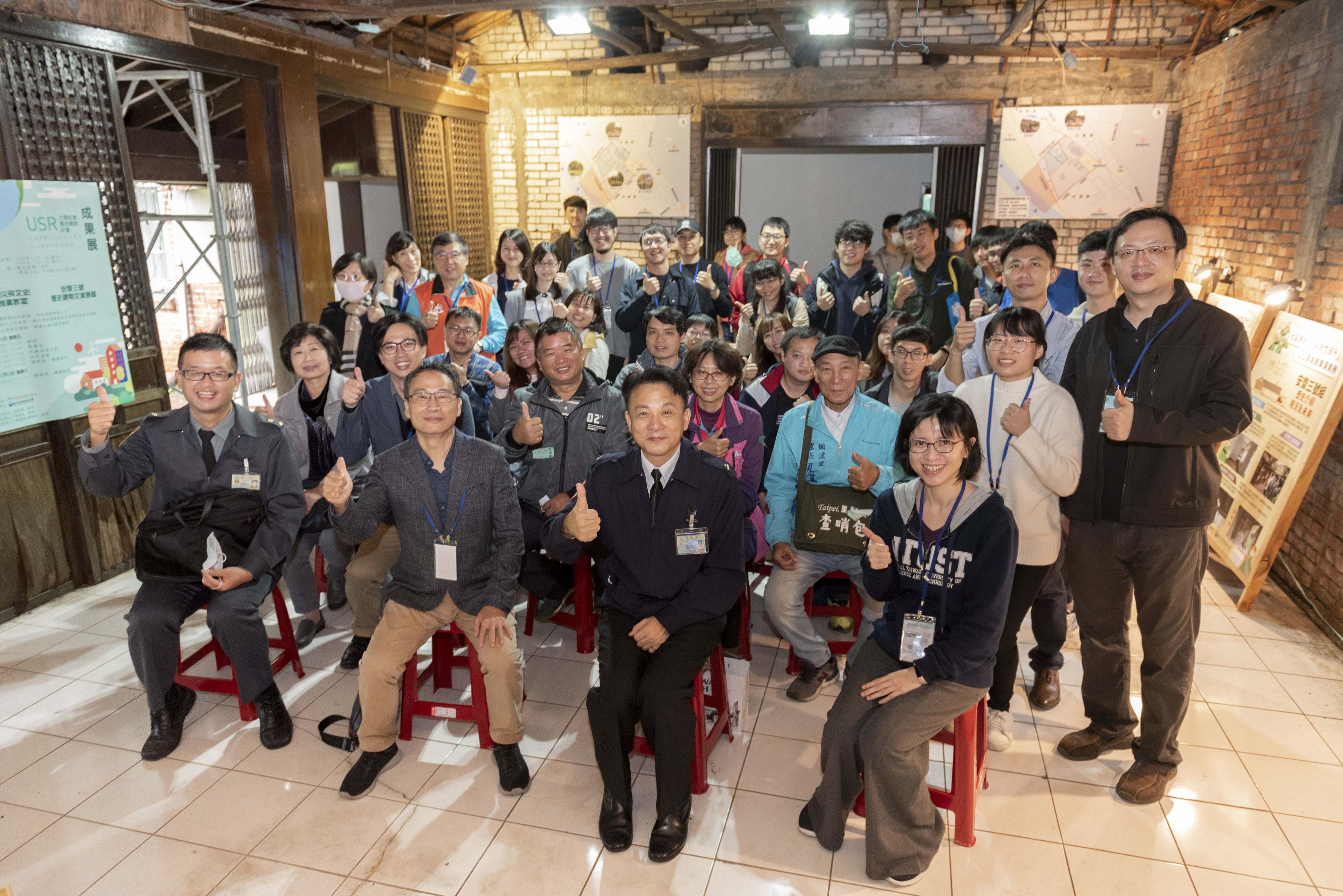 |
| After the emergency repair of Anzhai No. 3 was completed, relevant units were invited to share the results of disaster prevention promotion and review the history of the building. |
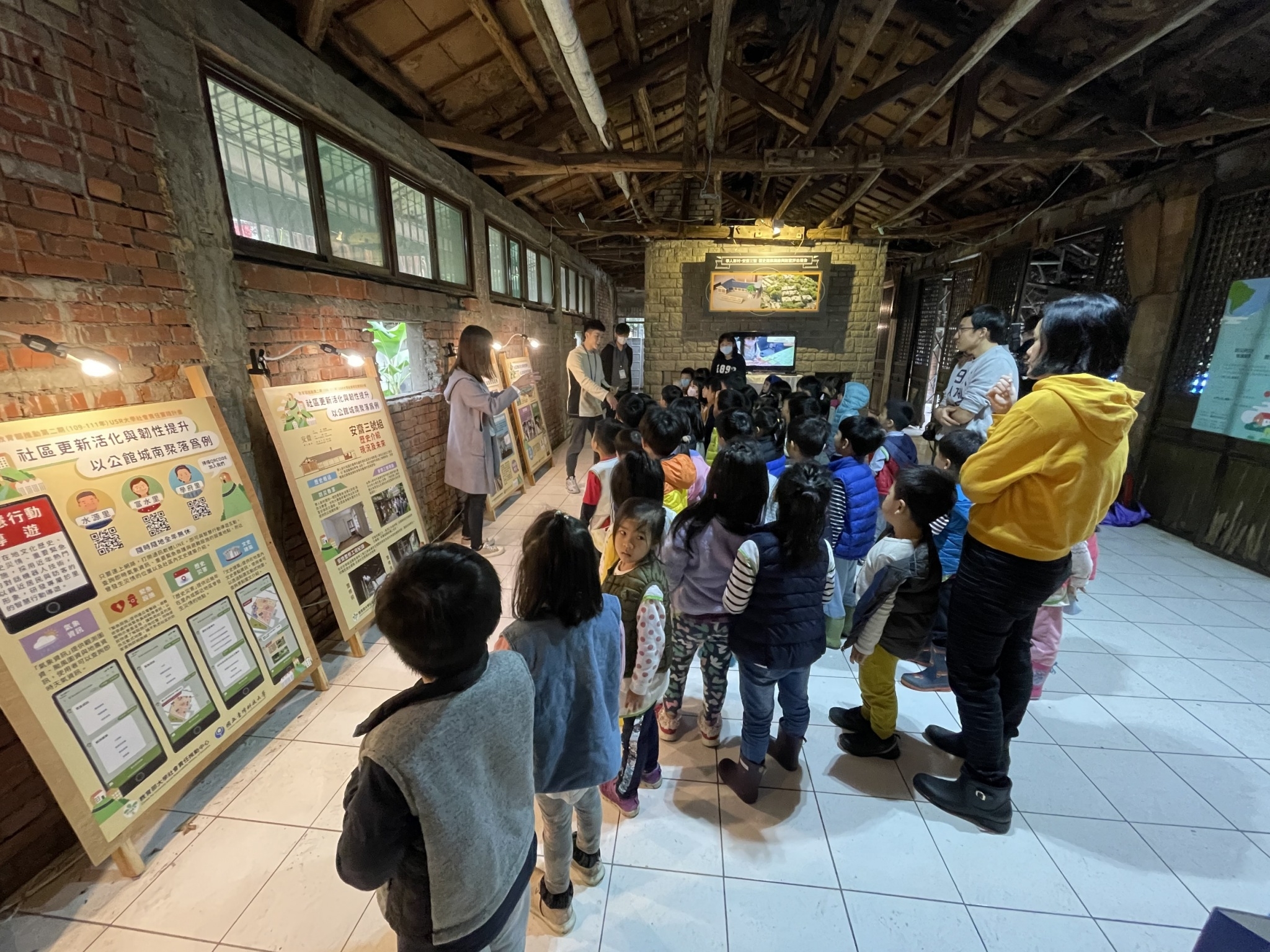 |
| NTUST students introduced the history of ABMAC Village and promoted disaster prevention relevant knowledge to children in Anzhai No. 3. |
Overseas cross-domain practice – Side slope remediation improves disaster prevention
Due to the impact of the natural environment, slope disasters are serious problems Taiwan generally confront. In order to enable students to actually participate the implementation of slope stability, NTUST team launched the work from “Treasure Hill” in Taiwan. The team has invited the corresponding village chief together to perform the survey, investigate potential slope disaster points in the region, and evaluate the potential locations of monitoring points to carry out the monitoring work of slope disasters through smart monitoring systems for the communities.
The project was further extended to Nepal. Nepal suffered a major earthquake in 2015. The Nuwakot at the northwest of the capital Kathmandu was one of the main earthquake-stricken areas. Snow Manjushree School located on a side slope with over 45 degrees angle was in immediately danger due to the lack of effective drainage systems. NTUST students in the team shared their expertise and what they have learned in school to establish cross-domain collaboration with local universities and engineering consulting firms to analyze the side slope problems and find the best solutions. Although building materials in the remote areas were difficult to obtain, we have successfully overcome difficulties when the ongoing epidemic was spreading, and completed the important stage of the side slope renovation of Snow Manjushree School under the collaboration with the partners, so that the children in the School are able to learn in a safe and secure environment. During the remediation period, the Nepalese volunteer group “JuJu MaMa Children's Education and Care Association” provided considerable assistance in coordination between the two parties.
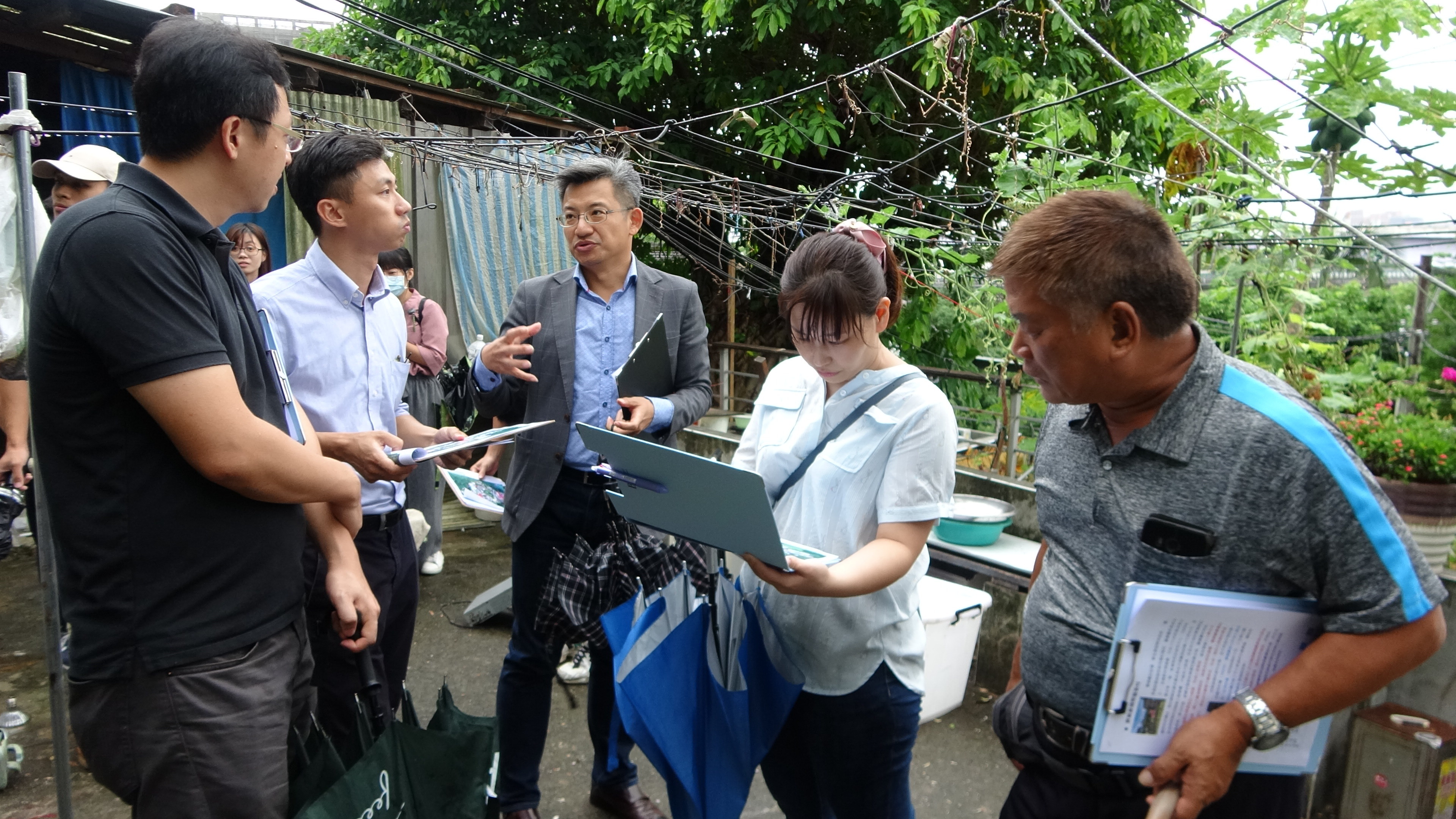 |
| NTUST team explored and surveyed the Treasure Hill together with the village chief of Shuiyuan-Vil. (right) |
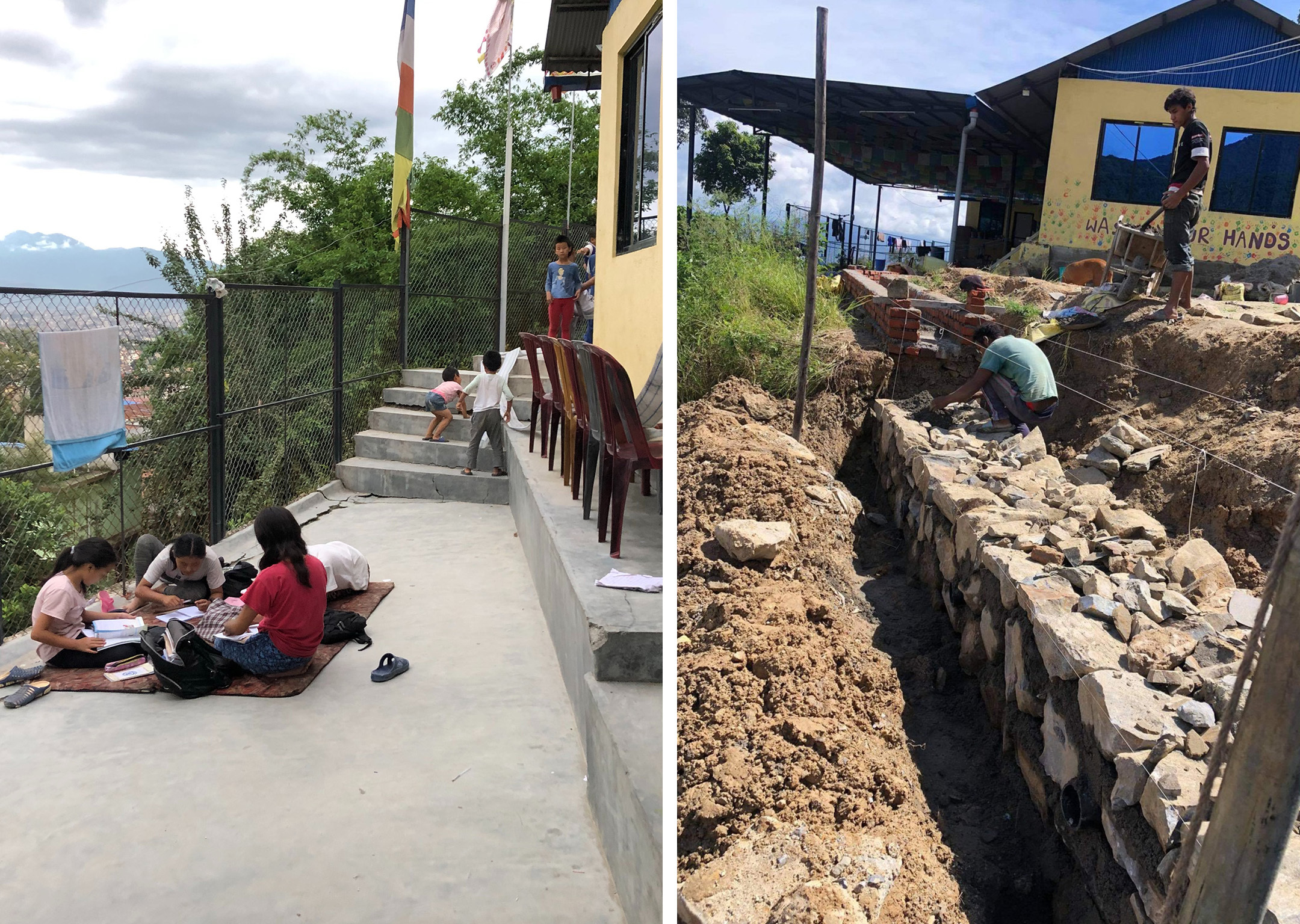 |
| Snow Manjushree School in Nuwakot, Nepal is close to the dangerous side slope. NTUST team and local partners assisted in the remediation of the located side slope. |
| Left: before remediation Right: under remediation construction |
Foster more creative and enthusiastic students through cross-domain talent cultivation linked with indigenous culture
NTUST’s USR project enabled students to have a deeper understanding of the meaning and preservation of settlement culture of Gongguan district through courses and field practices, and to improve urban community renewal and revitalization along with the communication and interaction among the communities. The actual experiences of the promotion in the field has enabled the students participating in the project to further reflect on the contents of the relevant courses. The project aims at gradually training students to be design and planning engineers with features of both urban disaster prevention and cultural resource preservation during the process of the revitalization of historical building and the remediation of side slope. Project participant and also NTUST student Mr. Chai said: “I hoped to have more opportunities to get in touch with local residents, so that they can understand our project better."
This year, our team will continue to work on Shuiyuan-Vil., Fushui-Vil and Xuefu-Vil. around the Gongguan district. It is our hope that we are able to have closer interaction with community residents by shortening the visual distance between the school and the communities, connecting neighboring communities by indigenous culture, and promoting cultural sustainability by disaster prevention.
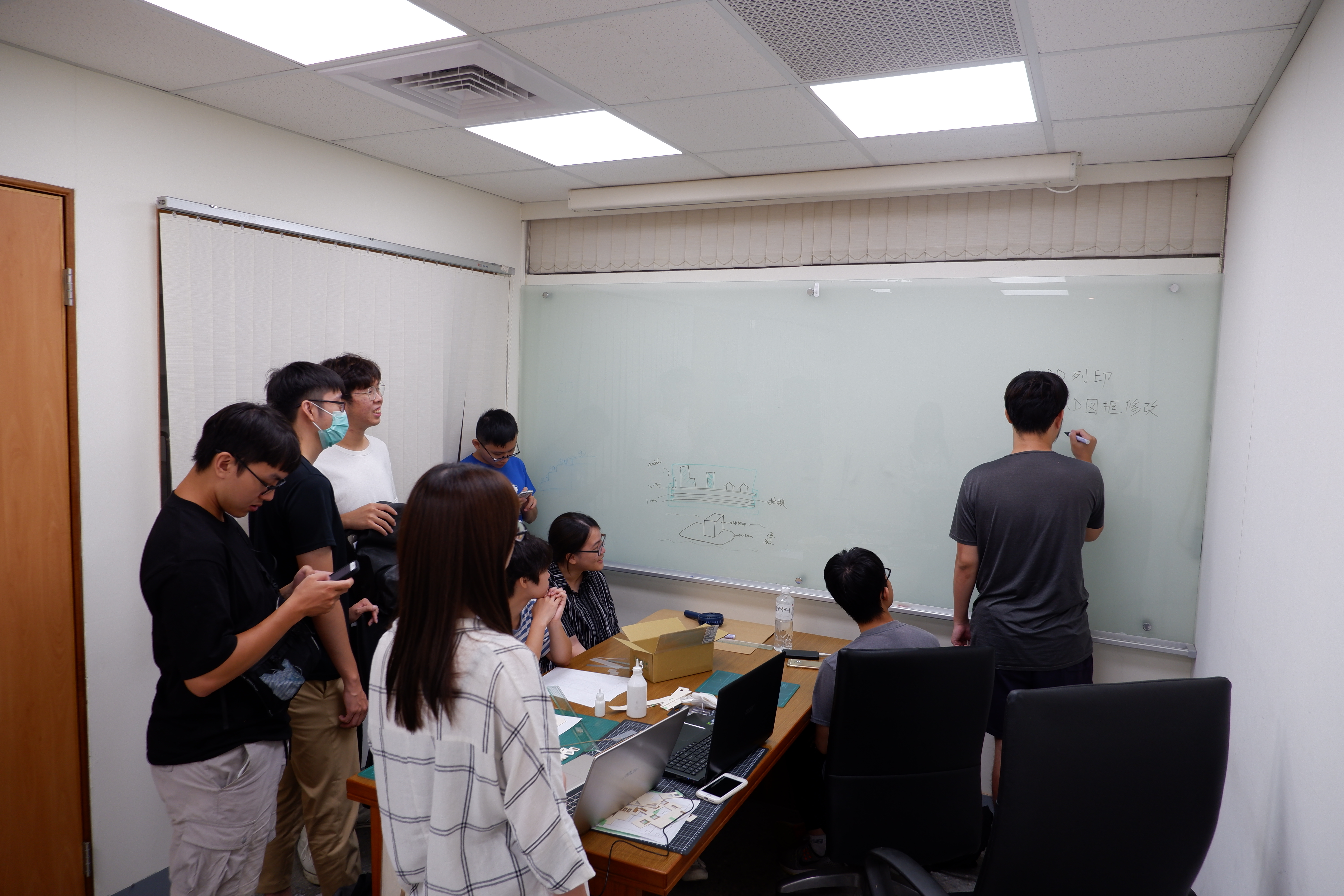 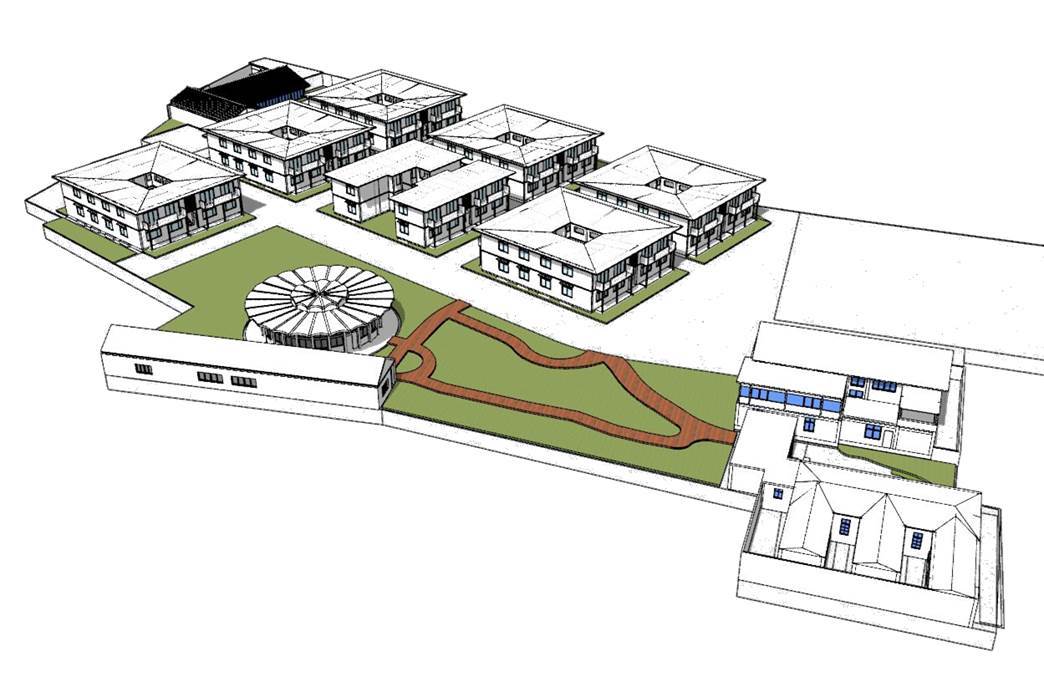 |
| The students participating in the project designed a community model through group discussion. |
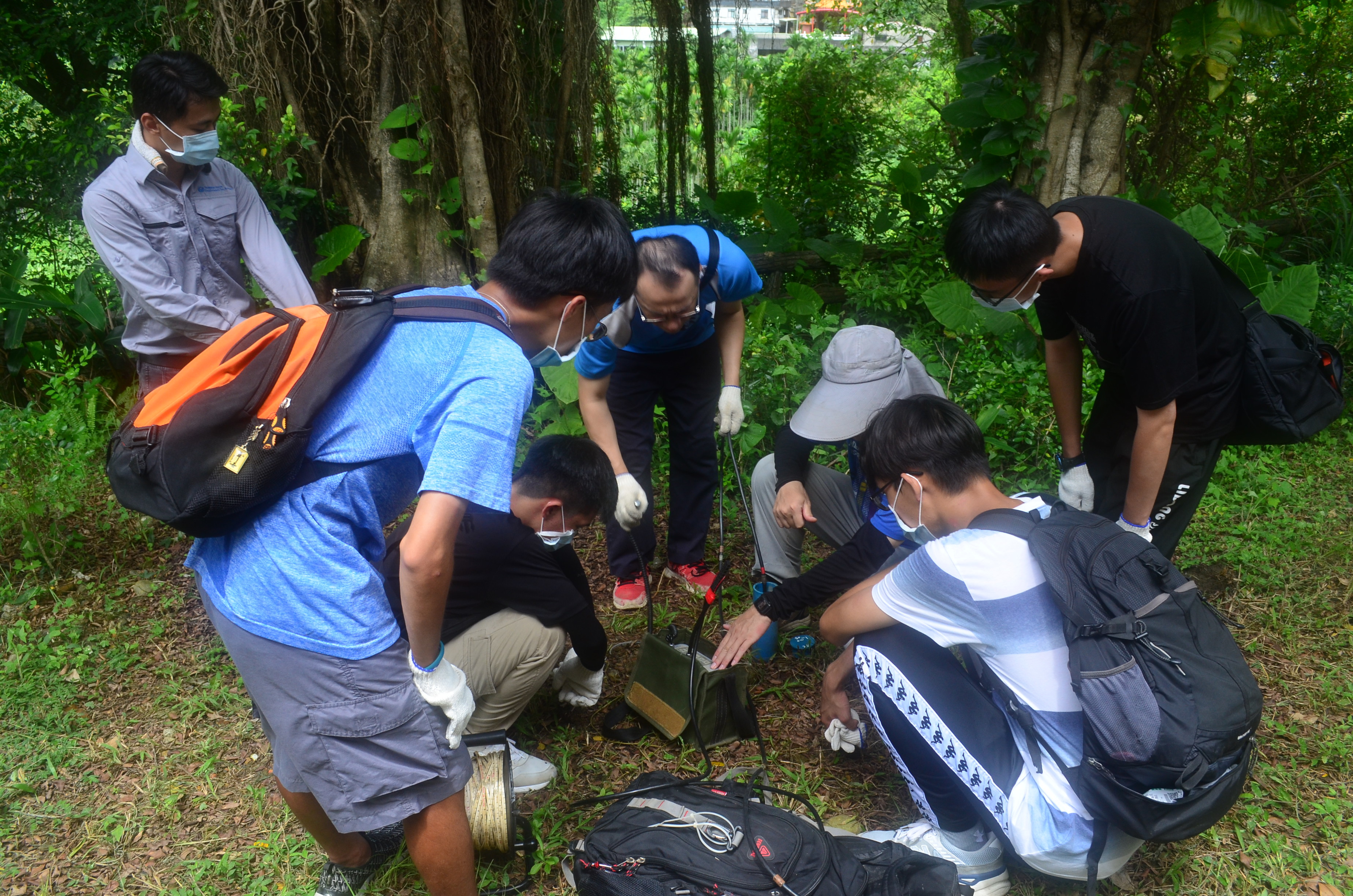 |
| NTUST students conducted a side slope monitoring drill at the residential care home for the elderly of the Ministry of Health and Welfare in Wulai. |
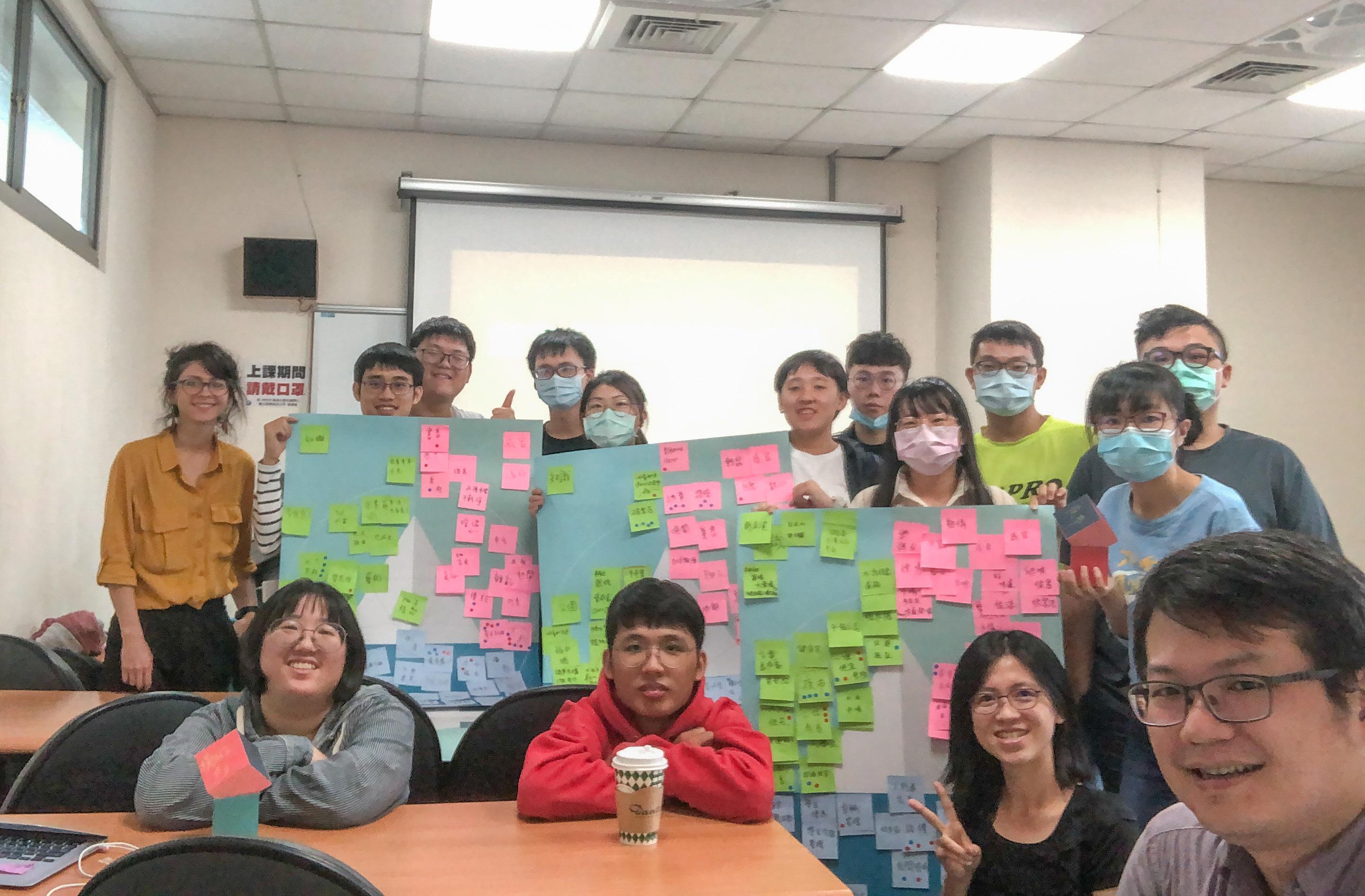 |
| NTUST students discussed the demand consensus and design ideas for smart dialogue robot systems in the “Human-Computer Interaction” course. |